
Designing Reverse Logistics Platforms for Circular Economies
Unlocking Sustainability with Smarter Returns, Recovery, and Reuse
In today’s fast-paced economy, sustainability has become more than just a buzzword—it's a business imperative. As companies commit to reducing waste and carbon emissions, one crucial but often overlooked component stands out: reverse logistics.
Far from being a simple returns process, reverse logistics is the backbone of circular economies. It enables organizations to recover, recycle, and reintroduce resources into the value chain—maximizing both environmental and economic impact.
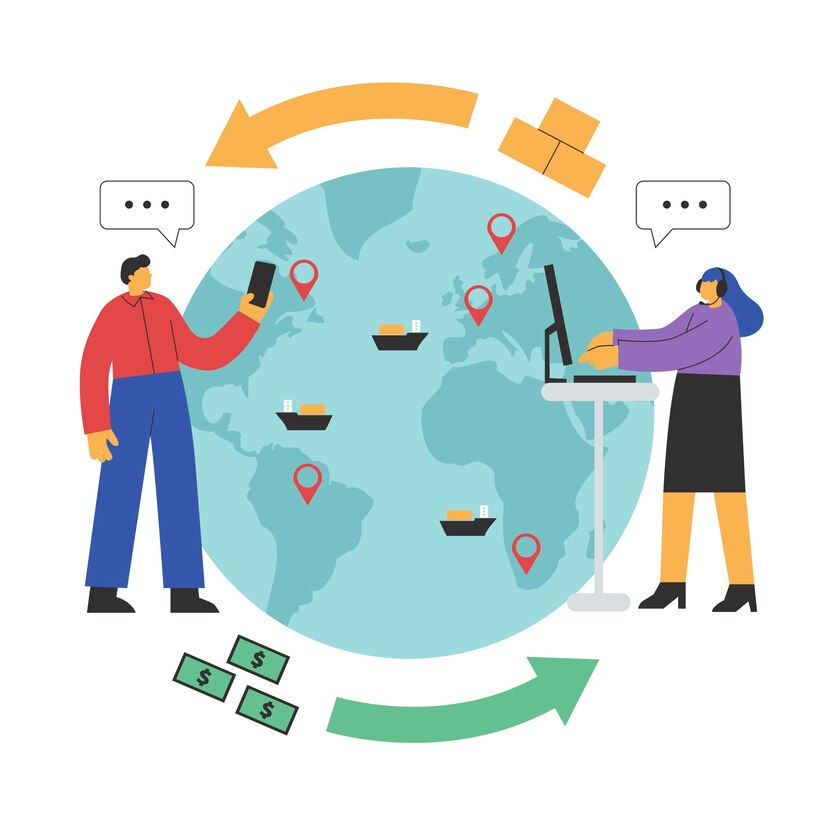
What Is Reverse Logistics in the Circular Economy?
Reverse logistics refers to the flow of goods from the end user back to the producer or other processing facilities. In a circular economy, this process plays a strategic role in:
Reducing waste and landfill contributions
Extending product life through refurbishment and recycling
Complying with regulations like Extended Producer Responsibility (EPR)
Creating closed-loop supply chains that recover value at every step
But traditional supply chains aren’t built for these flows. This is where intelligent, tech-enabled platforms come in.
The Challenge of Reverse Flow Management
Conventional logistics systems are designed for one-way movement—factory to consumer. In contrast, reverse logistics is multidirectional, decentralized, and highly data-driven. It requires coordination across retailers, recyclers, logistics partners, consumers, and government bodies.
The key to scaling this complexity?Smart platforms that can automate, track, and optimize every step.
Key Components of a Reverse Logistics Platform
To power circular economies, next-gen platforms must include:
Smart Collection Scheduling
Enable scheduled or on-demand pickups for returns, e-waste, or recyclables. Use AI for optimized routing and load planning to reduce emissions and cost.
AI-Driven Segregation & Classification
Apply machine learning to identify material type, condition, recyclability, or refurbishing potential—streamlining downstream processing.
EPR Reporting & Traceability
Automate data capture for Extended Producer Responsibility (EPR) compliance. Provide real-time dashboards for producers and regulators.
Partner Ecosystem Integration
Seamlessly connect with waste processors, recyclers, and logistics providers through API integrations—creating an end-to-end ecosystem.
Reusable Packaging Tracking
Incorporate QR or RFID tracking for packaging reuse and lifecycle management, improving accountability and reducing packaging waste.
Frugal Scientific’s EasyBin: Building Smarter Reverse Flows
At Frugal Scientific, our reverse logistics platform EasyBin is engineered for the circular economy. It supports:
AI-powered collection and routing
Dynamic segregation models
EPR reporting automation
Seamless partner onboarding
Custom dashboards for producers, recyclers, and regulators
Whether it’s for e-commerce returns, industrial waste, or EPR-driven reporting, EasyBin turns sustainability into an operational edge.
Why It Matters
Sustainability isn’t just about responsibility—it’s about opportunity. Forward-thinking businesses are already leveraging reverse logistics as a differentiator in customer experience, compliance, and cost-efficiency.
By investing in purpose-built platforms, organizations can move beyond basic returns management—and start shaping a circular future that benefits both business and planet.
Ready to Build a Circular Future?
At Frugal Scientific, we design and deploy intelligent platforms that empower circular economies.If you’re a producer, government agency, or recycler looking to implement scalable reverse logistics—


Comments